
Site Risk Assessments
Structured on-site review of surveillance, access control, territorial reinforcement, activity support, and maintenance to identify environmental crime-risk drivers.
CPTED Advisory Group is presented as the specialist advisory arm focused on Crime Prevention Through Environmental Design. The page is designed for councils, strata, developers, and property stakeholders seeking practical, evidence-based advice that improves safety, reduces crime opportunity, and supports defensible decision-making.
Rather than defaulting to security hardware, the emphasis is on the relationship between place, behaviour, visibility, movement, ownership, maintenance, and risk. This creates a stronger value proposition for public-space projects, residential developments, strata communities, and design-stage reviews.
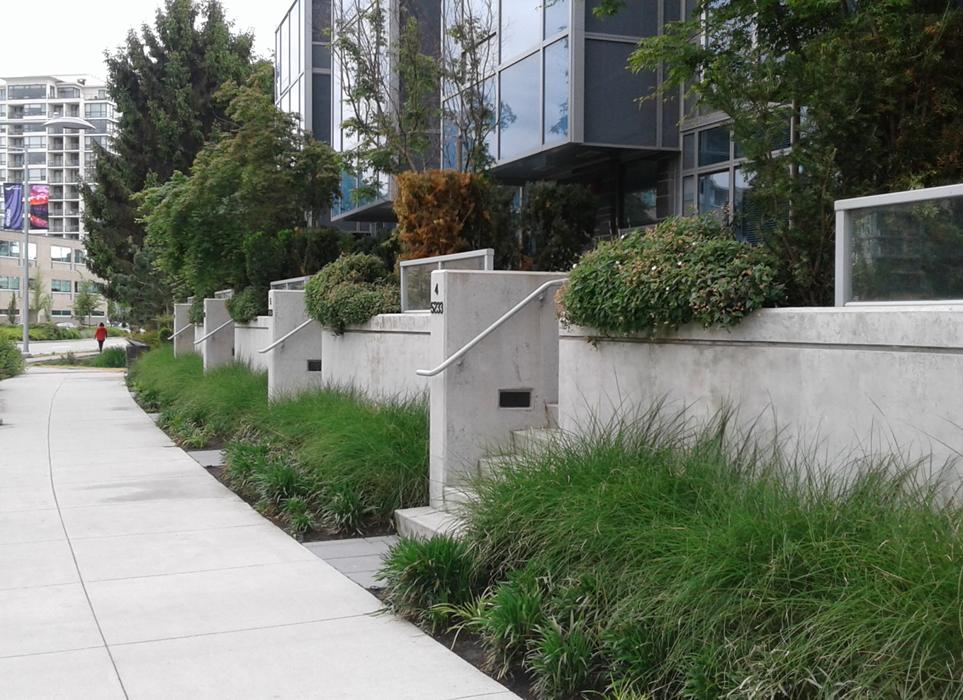
These service areas are structured to work as standalone offerings or as part of wider inspection and advisory engagements.
Structured on-site review of surveillance, access control, territorial reinforcement, activity support, and maintenance to identify environmental crime-risk drivers.
Practical assessments for homeowners, landlords, and smaller residential sites, focused on visibility, boundaries, lighting, and vulnerability reduction.
Review of car parks, access points, corridors, lifts, and common areas to reduce misuse, improve resident confidence, and support upgrade decisions.
Planning and development support with council-aligned CPTED commentary and design-based crime-risk advice for development applications.
After-dark review of visibility, shadow zones, movement patterns, and practical risk conditions that daytime inspections may miss.
Pre-construction review, capital-works input, post-incident assessment, and ongoing advisory support for councils, developers, and strata stakeholders.
The advisory model is designed to support better decisions before issues escalate or retrofits become expensive.
Support community safety, placemaking, park and amenity design, precinct audits, and staged intervention planning with clear, briefing-ready outputs.
Reduce crime risk early in design, support approvals, and avoid long-term management problems created by poor visibility, concealed spaces, or weak access logic.
Address recurring complaints, improve common-area safety, reduce liability pressure, and support better investment in meaningful upgrades.
Provide periodic reviews, practical action plans, and design-informed recommendations that remain grounded in real-world usability and site context.